Kane Parsons, 20-year-old director of the psychological horror movie Backrooms, is making history not just for being the youngest filmmaker to open number one at the box office, but also for cementing himself as strongly anti-generative AI in a generation that has grown up as digital natives. He then went on to say “creatively, I get no enjoyment from using [generative AI] tools. It defeats the purpose entirely for me.”
This all begs the question: with the emergence of even more advanced AI tools, what is its place in film? Can it be used effectively and ethically, or is it certain to ruin true creativity and talent in an already-suffering industry?
It is undeniable that Hollywood and the wider film industry are going through a period of massive change. With the recent, unprecedented success of horror films Obsession and Backrooms, indie films from former YouTuber directors that managed to beat the newest Star Wars spinoff at the box office, it seems as though audiences are tired of endless sequels and want fresh, original stories from new voices. However, with the emergence of generative AI tools across various industries, should these “new voices” include the use of these new technologies.
The notion of using AI to supplement filmmaking, while relatively recent, is not altogether new. Best Actor-winner Adrien Brody’s Hungarian accent in the 2024 movie The Brutalist drew controversy for being enhanced with artificial intelligence to sound more natural. This is far from the only such instance of the use of AI in major, award-winning films — Emilia Perez used AI to help actress Karla Sofia Gascon reach high notes in musical numbers, and The Irishman used such technology to de-age actors like Robert De Niro and Al Pacino.
While, in certain cases, the use of AI can be ethical and even effective, this essentially opens up a Pandora’s box of misuse and negative precedent that simply cannot be undone. It is evident from the SAG-AFTRA Writers’ and Actors’ strikes in 2023 and 2024 that people in the industry find generative AI to be a real threat, having lost jobs and being paid less as a direct result.
Just last year, the company Particle6 created the first-ever AI-generated actress: Tilly Norwood. Acting has long been a difficult profession to break into, and the emergence of such “actors” makes things even more complicated for emerging talent. There is no doubt that an AI-generated actor would be able to evoke emotions on screen, but what about real-life human actors devoted to the craft? Hollywood stars and indie darlings are integral to the cinema industry, but the rise of AI-generated cast members may see the decline of this phenomenon.
This was taken a step further in early June 2026 when Dreams of Violet became the first fully AI-generated film to premiere at a major film festival, the Tribeca Festival. A protest film against the Iranian regime, the film follows in the vein of Alex Garland’s Civil War and Warfare by using harrowing scenes of combat to evoke emotion and outrage. However, many viewers found the film to be emotionally stunted. Taking aside the enormous number of jobs that were rapidly replaced by artificial intelligence, the entirely synthetic film made the audience detached from the harsh realities portrayed.
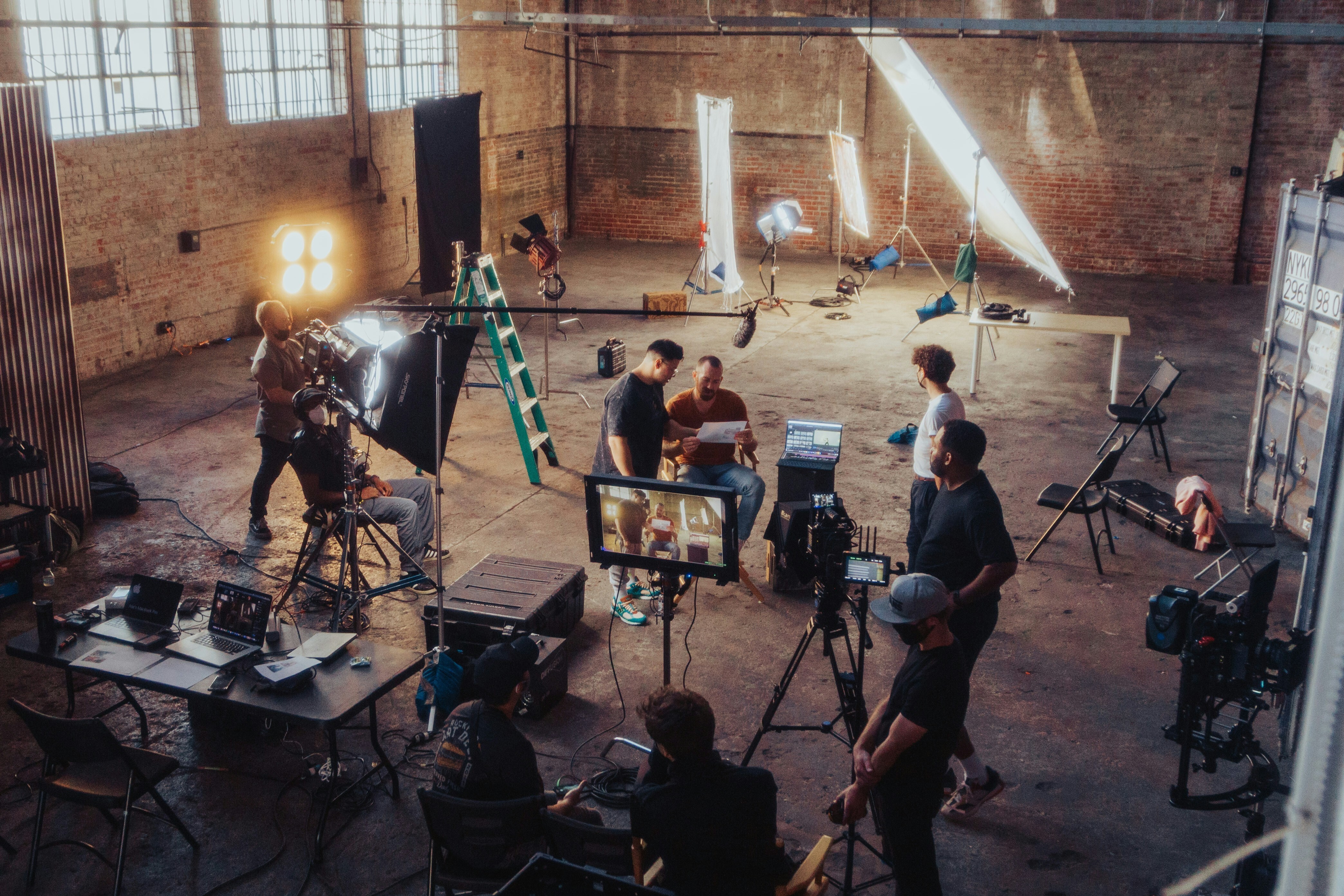
From silent films of the 1920s to cult horror classics of the 1980s and 90s, cinema has long been a medium of creative collaboration and true skill. There is a reason why film credits roll on for so long — it truly takes a village to create a movie, and dedication of all these people cannot just be replaced by a prompt placed into a website.
Film is a moving medium that reflects uniquely human experiences, thanks to the hard work and dedication of human artists. While the occasional use of artificial intelligence may be acceptable, it sets a negative precedent regarding the future of the industry. The rejection of this over-reliance on generative AI by emerging filmmakers and audiences is promising that cinema will remain an innovative and humanity-driven domain.